



Mon 11 / 05 / 26
The new B Corp standards: what's changed, and what it means for small and medium sized businesses
B Corp’s biggest update in over a decade is here - and it’s a game changer for small businesses. Demi Heath and Ella Turner, Co-Founders of Sussex Impact Pathway, share how the new framework effects small and medium sized businesses.
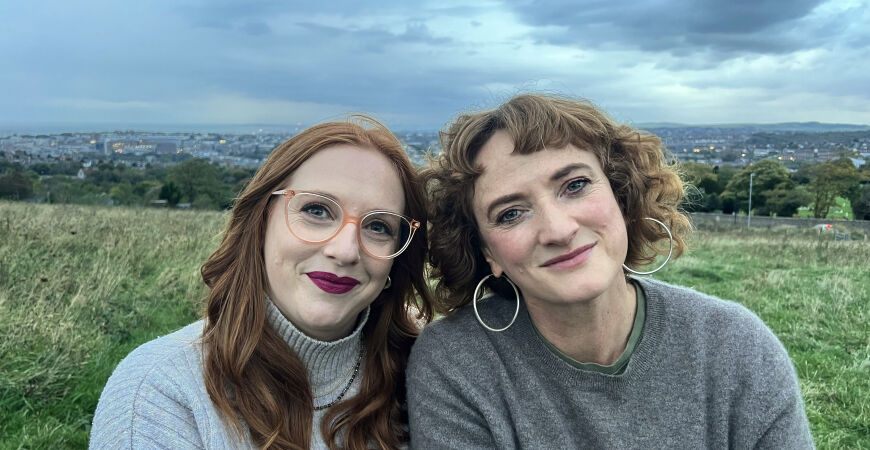
By Demi Heath and Ella Turner of Sussex Impact Pathway
The B Corp framework had its biggest refresh in over a decade in 2026 and the new V2 standards are now live. We get asked all the time what the changes mean for small businesses, and whether certification is still within reach for 0–50 person teams. The short answer is yes; and in some ways the new framework is a better fit for small and medium sized buisnesses than the old one. Here’s what’s changed.
First things first, what is a B Corp?
A B Corp is a business that’s been independently certified for meeting high standards on social and environmental performance, transparency and accountability. There are over 10,000 certified B Corps worldwide and close to 3,000 in the UK community, including a brilliant cluster right here in Brighton & Hove. Becoming one is a way of putting your values on the record and joining a movement using business as a force for good.
B Corp new standards, what’s actually changed?
Quite a lot to bring the standards up to date with global best practice and legislation, but the headlines are clear.
The old framework gave you a single score, and you needed 80 points overall to certify. You could effectively choose where to score: strong on workforce, lighter on environment, a little bit of community support. The new framework swaps the pick n mix model for a mandatory model.
Every certified company now needs to meet a set of Foundation Requirements (eligibility, legal structure, a risk assessment) and then meet requirements across seven Impact Topics: Purpose & Stakeholder Governance, Fair Work, Justice, Equity, Diversity & Inclusion (JEDI), Human Rights, Climate Action, Environmental Stewardship & Circularity, and Government Affairs & Collective Action.Human Rights and JEDI are new, separate topics in the assessment for the first time, which reflects where the world has moved since the old standards were written.
Another headline change is how certification is checked. Verification is shifting away from B Lab's internal team to independent, accredited third-party auditors. This separates the people who set the standards from the people who assess companies against them. It's the same structure used by mainstream certifications like ISO and Fairtrade, and it's designed to give B Corp status more weight as a credibly, externally assured certification.
That sounds like a higher bar. Won’t it lock smaller businesses out?
It’s the question we get most often, and the honest answer is: the bar is higher in some places, but the standards are much more thoughtfully tailored to your size and sector than they used to be. B Lab classifies the smallest businesses as without workers and Micro, and many of the more demanding sub-requirements only kick in for larger companies.
There’s also a phased approach; a set of requirements to meet at certification, then milestones at Year 3 and Year 5, so you’re not expected to be perfect on day one. Continuous improvement is built in.
In our view the new framework is actually clearer and more honest for small and medium sized businesses. You now know exactly what’s expected of a business your size, instead of trying to assemble enough points from a 250-question survey.
So where should small and medium sized businesses actually start?
Three small steps.
First, look at the assessment. It’s free and public on B Lab’s website, and the guidance is clearer than it used to be.
Second, do a quick gap analysis. Even a one-page list of “we already do this” and “we need to start this” is enough to take the overwhelm out.
Third, find your community. Doing this work alone is the fastest way to burn out. B Local Brighton runs free events for both B Curious and certified businesses, and is a great place to meet people on the same path.
What if we want a structured route through it?
This is exactly why we set up Sussex Impact Pathway. It’s a 12-week, small-group programme designed specifically for Sussex small and medium sized businesses who want a supported, affordable route to certification. We run four groups a year in Brighton, and we have a set price of £1,500 (with a 50% discount for marginalised-owned businesses) because the small, value-led businesses doing this work shouldn’t be priced out of the community. You get the new standards demystified, a peer group going through it alongside you, and direct access to us as B Corp specialists. If you’ve been “B Curious” for a while and want to actually get on with it, the groups might work for you.
The new standards are a step up, but they’re also a much clearer map. If you’ve been waiting for the right moment to start your B Corp journey, this is a really good year for it.

Demi Heath and Ella Turner are the co-founders of Sussex Impact Pathway, a Sussex-based training programme helping small and medium sized businesses certify as B Corps. Find them here or email info@susseximpactpathway.com.
This is part of a new series we’re running with Chamber members, picking out different experts working in the areas of business you most frequently ask us for advice or expertise on. Keep your eyes peeled for more installments on finance, marketing, sales, productivity and more.
You might also like:
If you want to contribute to the Chamber blog, contact us on hannah@brightonchamber.co.uk